Hot water extraction for Sudbury homes
Hot water extraction—steam cleaning in everyday language—is the workhorse method for deep soil, allergens, and many manufacturer warranties. A technician pretreats traffic lanes, agitates, rinses with hot water, and recovers as much moisture as the vacuum allows. Done well, carpets should dry in hours, not days.
Greater Sudbury’s winter salt and sand make periodic extraction especially useful after peak road-maintenance season. Grey traffic lanes and crunchy grit at entries are the usual signals—not a reason to flood the pad with a rental machine that leaves carpets wet overnight.
Truck-mount vs portable
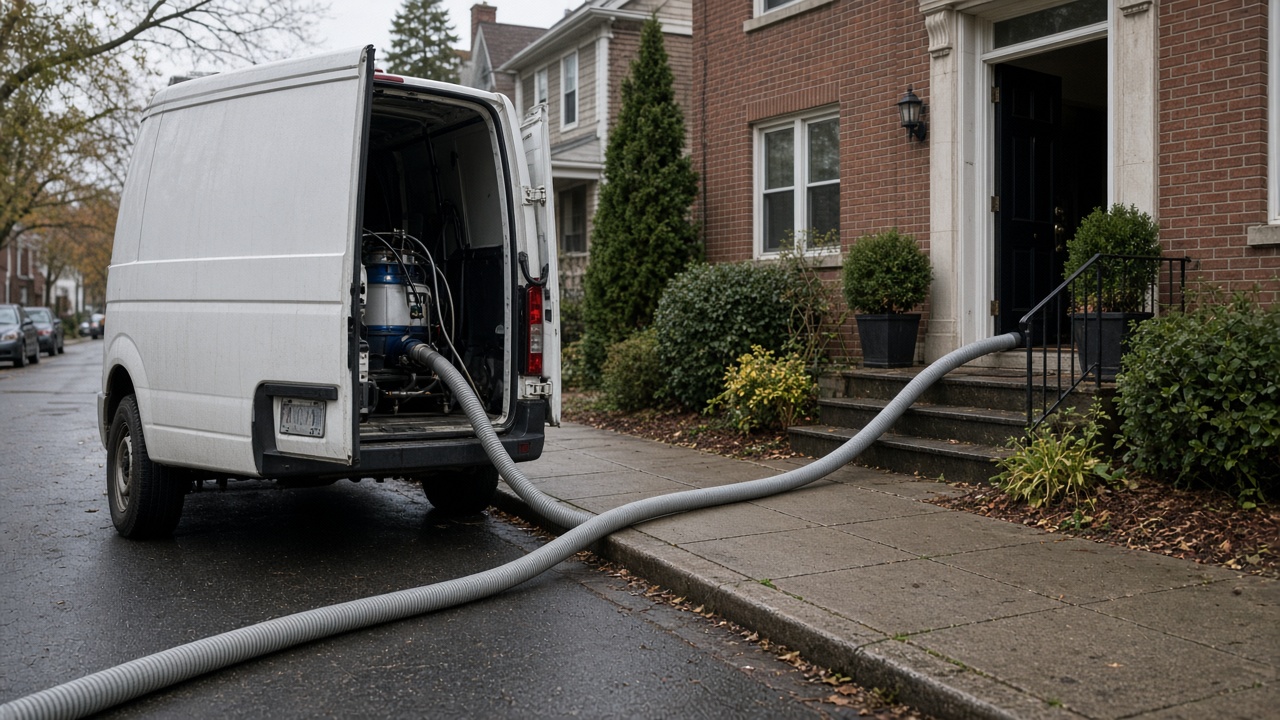
Truck-mounted systems usually sustain higher heat and vacuum than consumer portables. Capable modern portables can still clean well in apartments or tight parking. Judge the operator by chemistry, dry time, and written scope—not by the logo on the van alone.
Dry times and over-wetting
Proper extraction typically leaves carpet usable in about 2–6 hours in many conditions. Low-moisture systems often dry in a couple of hours. Multi-day dampness usually means too much water and too little recovery. Fans and airflow help. Ask what dry time to expect for your home.
Pets, stairs, and high-traffic homes
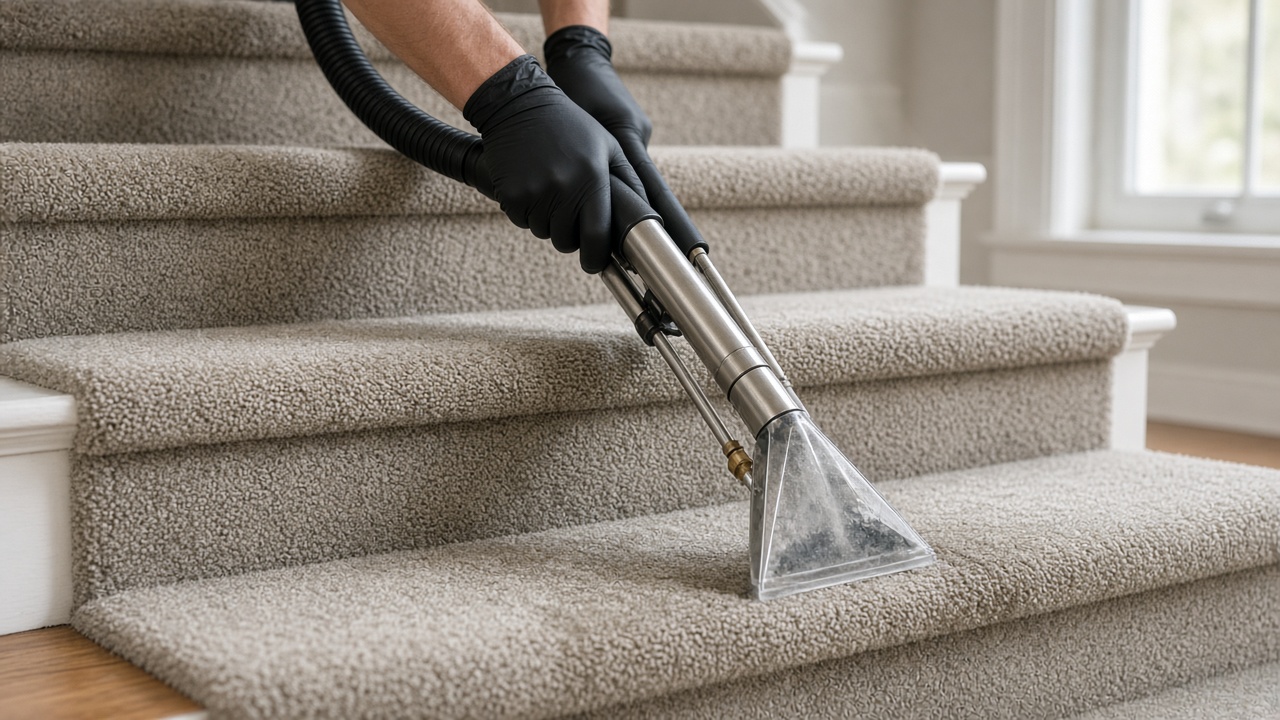
Pet hair, tracked salt, and stairs add time. Stairs are often priced separately. Ask whether the quote includes halls and landings. For urine, see the stain removal guide—surface-only cleans fail when urine reached the pad.
Prep checklist
- Pick up toys, cords, and clutter from carpeted floors
- Confirm furniture-moving rules and any fees
- Note pet accidents and active stains before the visit
- Plan for limited traffic until carpets are dry
- Ask about protector or deodorizer add-ons before arrival
Ontario price bands (not our prices)
Quotes vary with room count and size, soil level, stairs, pet urine scope, furniture moving, and add-ons. Extremely low ads may skip pretreat; higher quotes may include urine pad work. Ask for a written scope for your home.
Carpet cleaning FAQs
How long do carpets take to dry after professional cleaning?
Proper hot water extraction should typically dry in about 2–6 hours in many conditions (often under 24 hours); multi-day wetness usually means over-wetting. Low-moisture systems often dry in a couple of hours. Fans and airflow help. Ask what dry time to expect for your home.
Truck-mount vs portable — does it matter?
Capable modern portables can clean well; truck-mounts usually offer higher sustained heat and vacuum and signal a dedicated carpet operation. Judge by results, chemistry, and dry time — not logo alone.
Is encapsulation or low-moisture cleaning enough?
Encapsulation is fine for light soil and fast dry-downs, but it is weak on urine, heavy oils, and deep liquid stains — those need extraction. Ask which method fits your soil type.
Do I need to vacuum before the cleaner arrives?
Pros often pre-vacuum as needed, especially for pet hair. Tidying clutter still helps them work faster and quote accurately.
Why did I get two wildly different estimates?
Quotes often price different scopes — surface clean vs enzyme plus pad or sub-surface urine work. Ask whether pad treatment, UV inspection, or only top-fibre cleaning is included before comparing.
Why do carpet cleaning quotes differ so much?
Bids often price different scopes. Extremely low ads may omit pretreat or protectant; higher quotes may include urine pad work, stairs, or furniture moving. Compare written inclusions, not headline numbers alone.
Will brown water keep coming out of old carpet forever?
Older carpets can release discoloured water for a long time because soil lives deep in fibre and pad; weak DIY extractors may also cause wicking as the carpet dries. Pros with stronger extraction reduce that risk; worn carpet still won't look brand new.
Do manufacturers require hot water extraction for warranty?
Many carpet manufacturers recommend or require periodic hot water extraction to maintain warranties. Keep invoices if warranty proof matters.
How does Chem-Dry-style cleaning differ from steam cleaning?
Chem-Dry franchises market a proprietary low-moisture process that often dries in 1–2 hours. Traditional steam is hot water extraction with a full rinse and extract. Both can work; match method to soil (urine usually needs extraction plus enzymes).
How long should the technician be in my home?
For a few rooms with proper pretreat and extract, about 2–3 hours is a common ballpark; heavy urine remediation can take much longer. Ultra-fast whole-house-in-45-minutes jobs often skip detail.